Late 16th century: The rudimentary form of microscope began to emerge, developed by Dutch spectacle makers Hans Janssen and Zacharias Janssen based on the principle of simple magnifying lenses. Though rudimentary, these early microscopes laid the foundation for future advancements in microscopy.
17th century: Microscope technology underwent initial development. Anton van Leeuwenhoek crafted lenses by hand, creating microscopes capable of magnification by hundreds of times. He first observed microscopic structures such as bacteria and red blood cells, significantly advancing microscope technology.
Mid-17th century: Robert Hooke of England discovered cells while studying cork, marking one of the most pivotal events in microscope history. Concurrently, compound microscopes began to appear, utilizing multiple lenses to enhance imaging quality and resolution.
18th century: With the revival of European science, microscope technology further developed. However, due to limitations in glass manufacturing at that time, imaging quality remained suboptimal.
19th century: Microscope technology achieved remarkable progress. High-quality optical glass was produced, greatly improving imaging quality and resolution. Meanwhile, the advent of microscopic photography enabled more accurate documentation of microorganisms.
Early 20th century: Olympus founder Teiji Shima, driven by the dream of “producing a domestically made Japanese microscope,” founded the company in 1919 and embarked on the journey to realize this vision.
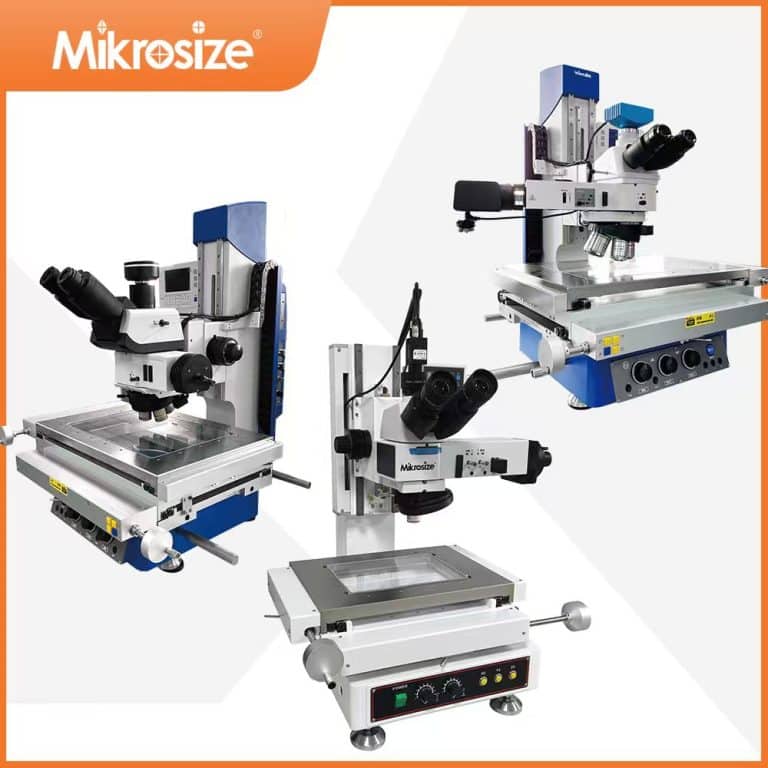
20th century: With rapid advancements in mathematics, physics, and materials science, microscope technology experienced qualitative leaps. New technologies such as oil immersion and dark-field microscopy emerged, further enhancing imaging quality. As the Industrial Revolution progressed and scientific technology continued to evolve, industrial microscopes gradually rose to prominence. Widely applied in materials science, mechanical manufacturing, and electronic engineering, they became indispensable tools in industrial production and scientific research. Industrial microscopes include various types, such as upright metallographic microscopes, inverted metallographic microscopes, and stereo microscopes, each with distinct characteristics and advantages to meet diverse observation needs across different fields and sample types.
-150x150.jpg)